What Goes into Astrophotography?
Whenever I have my telescope set up—whether it's at an outreach event or just in my front yard—I’m often asked, “How did you take these photos?” That question is usually followed by, “You took these in Central Florida?” and more recently, “Is this AI?”
While this isn’t meant to be a complete guide (there are countless techniques out there that all produce amazing results), I do want to share the basics of my process. Hopefully, it will help clear up some of the confusion around what can seem like a very complex way to create images.
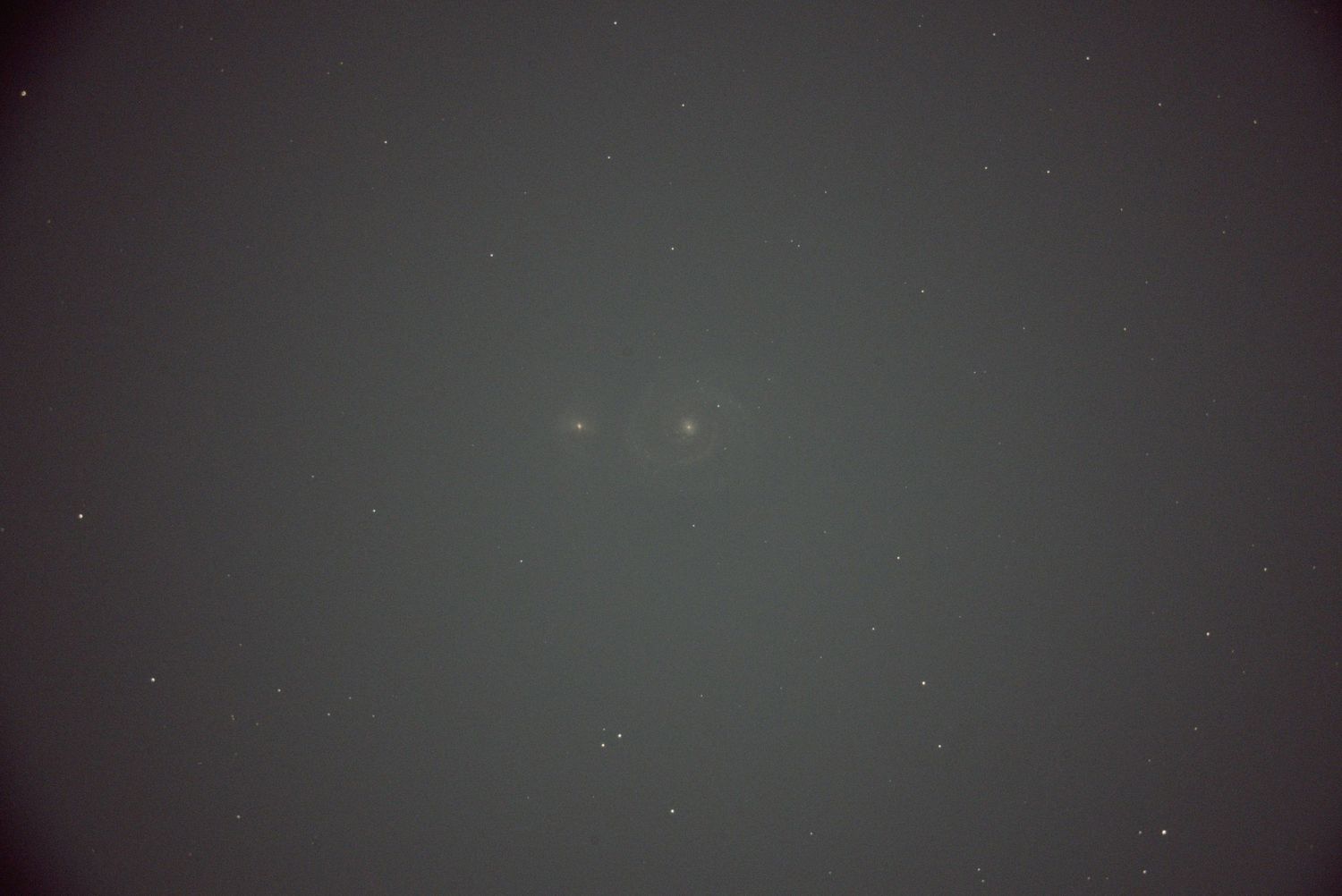
Lights
Images of the target
This is a paragraph. Click edit and enter your own text. You can make changes like making the text bold, underline or italic. This is a great place for you to tell your clients more about your story and to describe the type of photographer you are. You can come back at any time to make more changes.
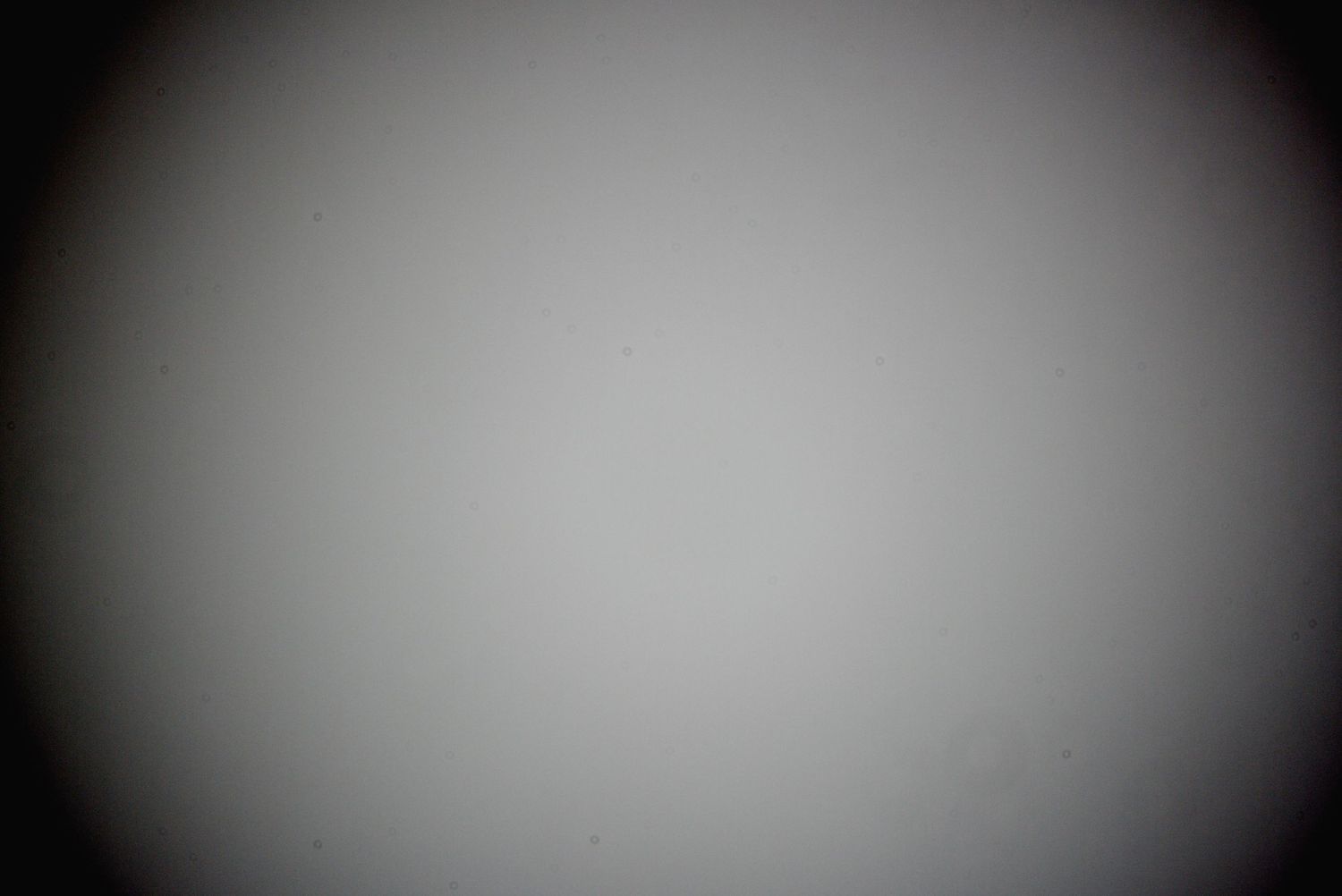
Flats
CALIBRATION FRAME
Flat frames are one of the key calibration frames used in astrophotography. Their main job is to correct for imperfections in your optical system—things like dust on your sensor, vignetting (the darkening of the corners of your image), or uneven lighting across the frame.
When you capture a flat frame, you're taking a photo of an evenly illuminated surface (like a white T-shirt stretched over the telescope or a light panel) with the exact same camera and optical train setup as your actual images. The idea is to map out the brightness inconsistencies across your image sensor.
Then, when you apply the flat frames during processing, software uses them to "normalize" your light frames (the actual astrophotos), removing unwanted gradients and artifacts.

Bias
CALIBRATION FRAME
This is a paragraph. Click edit and enter your own text. You can make changes like making the text bold, underline or italic. This is a great place for you to tell your clients more about your story and to describe the type of photographer you are. You can come back at any time to make more changes.

Darks
CALIBRATION FRAME
This is a paragraph. Click edit and enter your own text. You can make changes like making the text bold, underline or italic. This is a great place for you to tell your clients more about your story and to describe the type of photographer you are. You can come back at any time to make more changes.